A way back to what you felt in Paso Robles
Thank you for spending part of your summit with me, and for being willing to put a part down in front of people you had only just met. What happens in a session like that does not integrate on its own, so this page is meant to support the practices we worked with, along with some core things to stay with.
What we Were doing
Before you could talk, you were already having conversations. You reached, and someone came or they did not. You pushed, and someone could handle your push or they could not. That is how you learned what closeness and contact feel like, and your body never forgot any of it.
The face you show when you are “fine” came later. It is made of words and expression and explaining yourself, and most of us got very good at it.
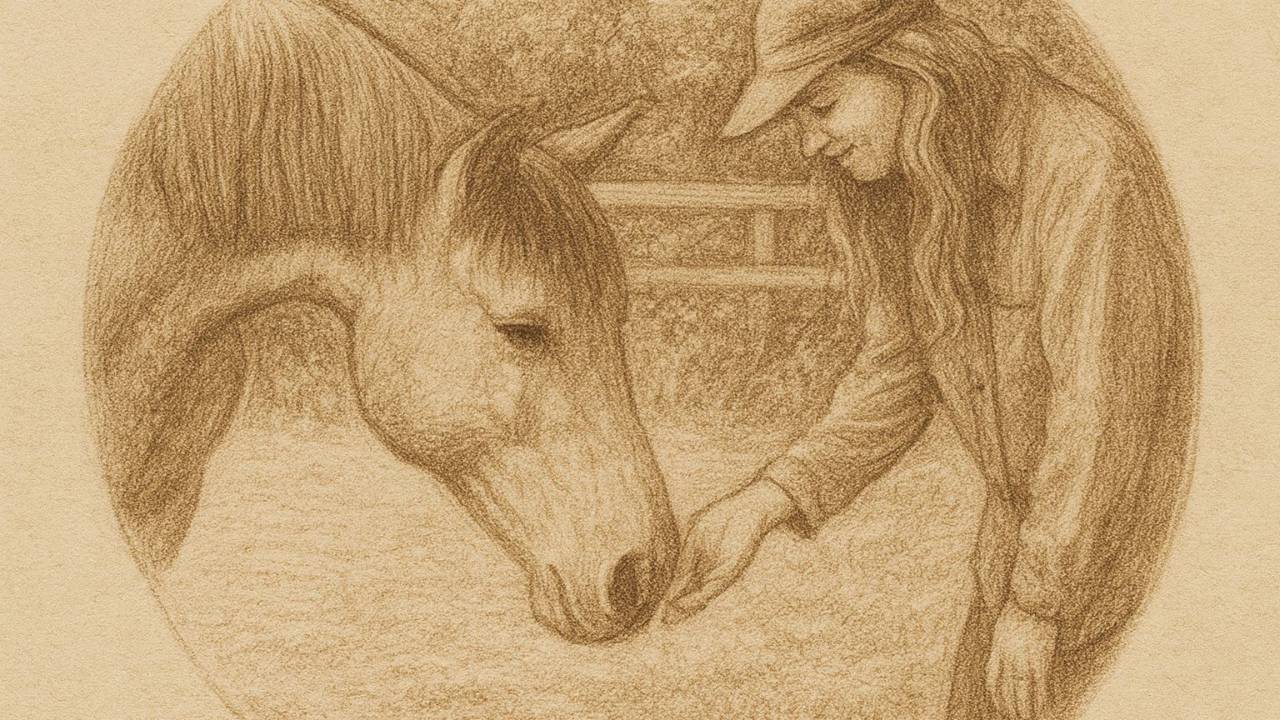
Your horse does not have that layer. He never learned to explain himself, and he cannot read your explanations either. What he reads, what he is brilliant at reading, is the older thing underneath, which is why he has never once been fooled by you having a good day on the outside.
There is your body, and there is also the relational body. He has been reading the second one all along.
Ready for the Full Training?
A 14-module, nervous-system-led training for therapists, equine professionals, and self-explorers.
Enrollment Open for Self Led and Certification
SEE THE FULL TRAINING
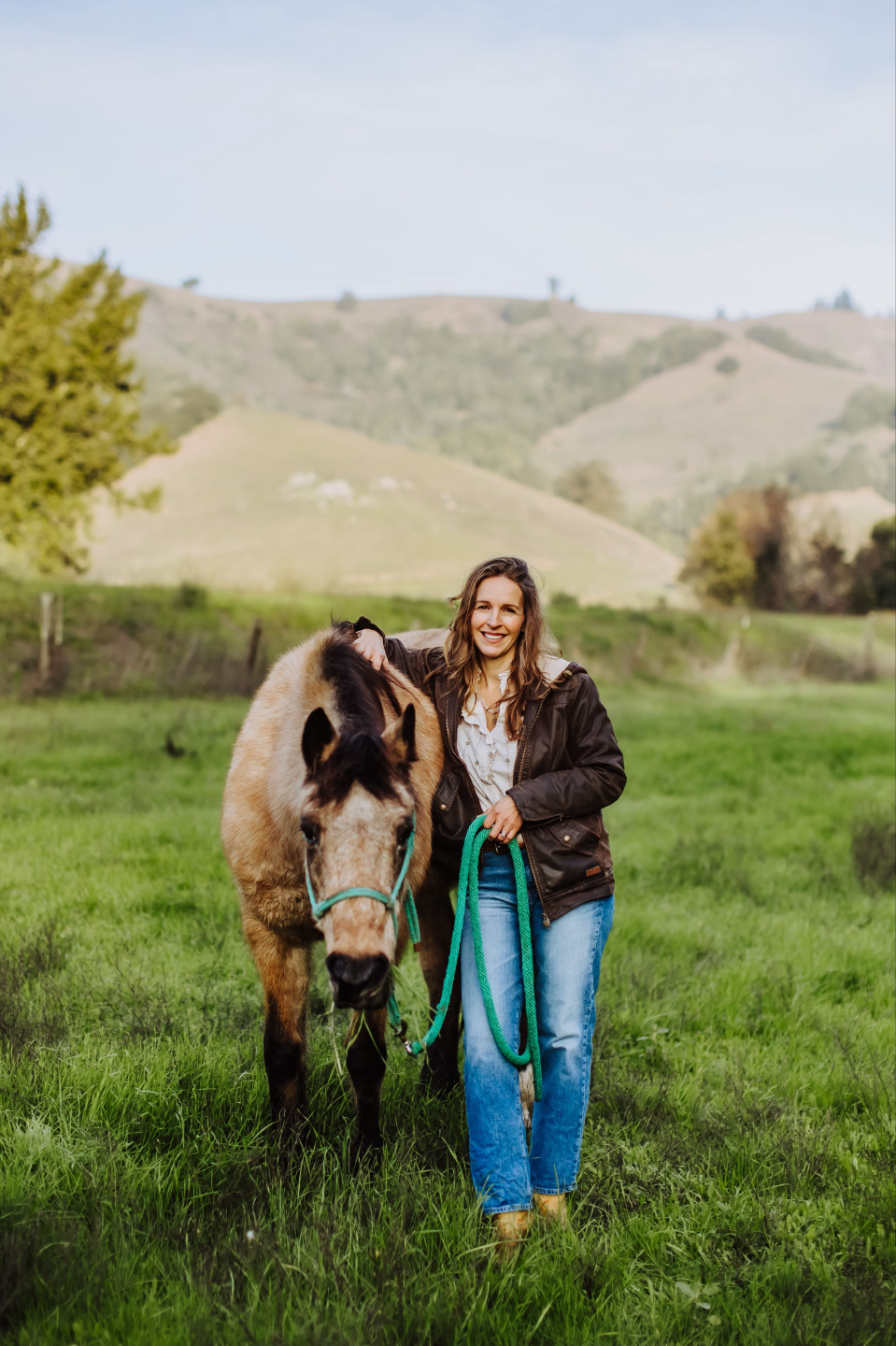
Meet Cara
Years ago, I left a corporate executive career at its peak because I knew there had to be more; more feeling, more connection, more joy.
I’m a psychotherapist, coach, mother of two, and a devoted student of relationships (including a marriage of two decades). Horses led me on a search to to discover what was actually happening non verbally in our equine partnerships. I knew there was more to the story but was amazed to find out how much more. In equine work, I’ve watched clients transform anxiety and trauma by listening to the body, human and horse, and letting the nervous system lead.
Equine Somatic Pathways is my way of sharing that work: practices and interventions that slow us down, orient, notice, and respond. When we bring curiosity into relationship with horses, our old protective strategies loosen, and new possibilities for safety and connection open.
If you want the longer story and practices to begin with, you can read more here.
Why This Approach
Nervous-system-led
Trauma Informed. We begin with regulation and stay with what’s true now.
Relational
Consent, boundaries, and choice are central for horses and humans.
Practical & humane
Clear steps you can take to support change without force or performance.